Setting The Foundation For A Healthy Smile: Early Orthodontic Care At Shimizu Orthodontics
Discover Why Kids Should See An Orthodontist By Age 7 And How Early Care Supports Lifelong Oral Health
Table Of Contents
Introduction
Meet The Doctors
Why Age 7 Is A Smart Time For A First Orthodontic Visit
What We Look For During An Early Orthodontic Evaluation
Common Bite And Growth Issues We Watch For
Early Treatment Vs Monitoring: How We Choose The Right Timing
What Early Orthodontic Treatment Can Do
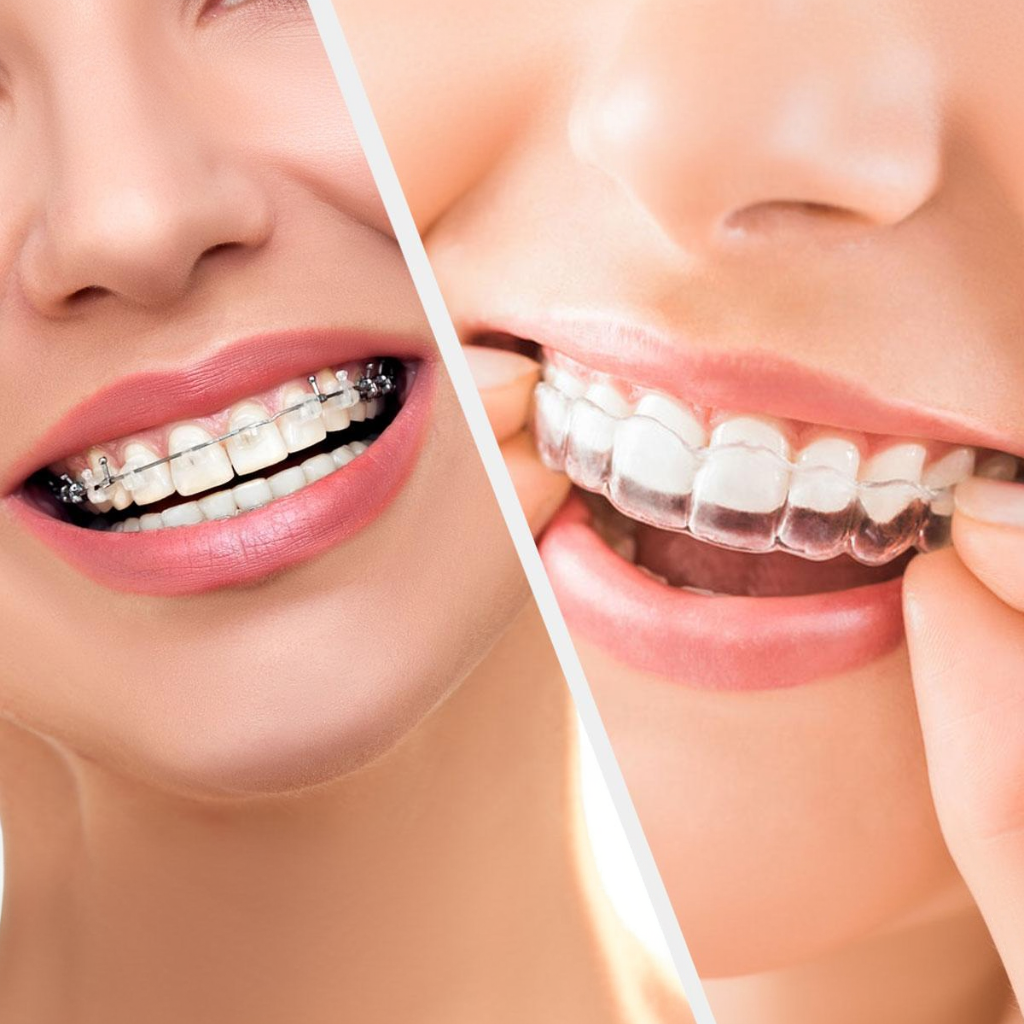
Braces, Invisalign, And Clear Aligners For Growing Smiles
Our Top Picks For Supporting A Healthy Smile At Home
Pro Tips For A Smooth First Orthodontic Visit
Patient Spotlight
Why Choose Shimizu Orthodontics
Conclusion
Frequently Asked Questions
Introduction
A healthy smile is not only about straight teeth. It is about how the teeth fit together, how the jaws develop, and whether your child’s bite supports comfortable chewing, speaking, and long-term oral health. That is why early orthodontic care matters. When we evaluate growth early, we can spot small issues before they become bigger problems and guide timing so treatment is easier, more efficient, and more stable.
At Shimizu Orthodontics, we are proud to serve families in Sunnyvale with modern orthodontics for kids, teens, and adults. Our doctors, Dr. Ken Shimizu and Dr. Kevin Shimizu, are known for creating a Happy Smile and SO Much More through thoughtful care, clear communication, and results that support both aesthetics and function. As a Diamond + Top 1% Invisalign® Provider with a 5-star rating and 115+ reviews, we offer braces and Invisalign® with treatment plans built around stability and long-term health.
In this guide, we are sharing why a first orthodontic visit around age 7 is such a valuable step, what we evaluate at an early appointment, and how early treatment can support a strong foundation for a healthy smile.
Quick Note Before We Dive In
An early orthodontic visit does not automatically mean early braces. In many cases, it simply means early clarity and a plan for the right time.
Meet The Doctors
Shimizu Orthodontics is led by Dr. Ken Shimizu and Dr. Kevin Shimizu. Our team focuses on orthodontic treatment that supports healthy development, confident smiles, and comfortable bites. We offer modern options, including braces and Invisalign, and we take time to explain your child’s growth, bite, and treatment timing in a way that feels simple and clear.
We love partnering with parents because orthodontics works best when everyone understands the plan. Whether your child needs early treatment, monitoring, or a future braces timeline, we are here to guide the process with confidence.
Why Age 7 Is A Smart Time For A First Orthodontic Visit
Parents often ask, “When should my child see an orthodontist?” We typically recommend around age 7 because it is one of the first times we can evaluate how the bite and growth are trending while your child still has plenty of development ahead.
Think of it like checking the path before the trail narrows. At this stage, we can often identify whether your child is on a smooth track or whether something is starting to steer the bite off course.
By age 7, we can usually evaluate:
- How the front permanent teeth are erupting
- Whether the arches look like they will have enough room
- Whether the bite is guiding the jaw into a shift
- Whether an overbite, underbite, or open bite pattern is developing
- Whether crowding is likely to worsen as more teeth come in
- Whether habits like mouth breathing or thumb sucking may be influencing development
This is not about starting braces early. It is about getting clarity early so we can protect options and guide timing.
What Happens If Your Child Is Older Than 7
If your child is 9, 10, 11, or older, it is still a great time to schedule an orthodontic evaluation. Many children begin comprehensive orthodontic treatment in their tween and teen years, and a consultation helps us establish the most efficient plan based on growth stage.
What We Review During An Early Orthodontic Evaluation
You deserve more than a quick look at crowded front teeth. A true early evaluation looks at tooth eruption, bite relationships, and jaw growth together because the full picture matters.
What We Evaluate
- Tooth eruption patterns and spacing
- Alignment of front teeth and developing arches
- Bite relationship and how the teeth meet
- Jaw growth direction and facial symmetry
- Signs of crossbite, underbite, overbite, or open bite
- Crowding risk as more permanent teeth come in
- Functional cues related to chewing, speech, and comfort
Depending on your child’s needs, we may use digital scans, photos, and X-rays to see what is happening above and below the gumline. The goal is accuracy and clarity, not guesswork.
What You Leave With
- A clear understanding of what we see
- A timeline recommendation for next steps
- Guidance on whether to monitor or begin early treatment
- A plan designed around long-term stability and health
Why This Matters For Children’s Health Month And Beyond
Oral health is part of whole-body health. Early orthodontic care supports better function, which can support daily comfort and long-term stability.
Common Bite And Growth Issues We Watch For
Some orthodontic concerns are easy to spot. Others are subtle and become clearer as your child grows. Early care helps us catch patterns while there is still time to guide development.
Bite Issues We Commonly See In Growing Smiles
- Crossbite that causes the jaw to shift to one side
- Overbite that is developing too deep
- Underbite patterns that may worsen with growth
- Open bite that affects front tooth contact
- Crowding that blocks normal eruption
- Spacing that suggests eruption or arch development concerns
- Midline shifts that suggest bite imbalance
Habits That Can Influence Growth
Not every habit leads to orthodontic problems, but some habits can increase risk when they persist past early childhood.
Common habits we discuss include:
- Thumb or finger sucking
- Tongue posture concerns and tongue thrust patterns
- Mouth breathing and lips that do not rest comfortably closed
- Cheek biting or uneven chewing patterns
If any of these sound familiar, it does not mean something is “wrong.” It means an orthodontic evaluation can bring clarity and a path forward.
Signs Parents Often Notice At Home
- Teeth that look crowded or rotated
- A bite that looks uneven from side to side
- Front teeth that stick out significantly
- A jaw that appears to shift when closing
- Difficulty biting into foods like sandwiches
- Frequent cheek biting or speech concerns
- Early loss of baby teeth or delayed tooth eruption
If you have been searching phrases like “braces for kids” or “pediatric orthodontics,” this is often the reason. You want to know whether the smile is developing normally and get ahead of potential problems.
Early Treatment Vs Monitoring: How We Choose The Right Timing
One of the most important parts of early orthodontics is knowing when to treat and when to wait. Early treatment is not always necessary, and waiting is often the best plan when we can monitor growth safely.
Early Treatment May Be Recommended When
- A crossbite is guiding the jaw to shift
- Crowding is severe and eruption is blocked
- An underbite pattern is developing
- Front teeth protrude and risk trauma is higher
- An open bite is tied to habits that need support
- Growth guidance can reduce future complexity
Monitoring May Be Recommended When
- The bite is developing evenly and we want to watch growth
- The timing will be more efficient closer to a growth spurt
- The child is early in mixed dentition and changes are expected
- A small issue is stable and does not risk damage
How Monitoring Works At Shimizu Orthodontics
Monitoring is an active plan. When we monitor, we set clear checkpoints and growth milestones so we can act when timing is best.
What Early Orthodontic Treatment Can Do
When early treatment is appropriate, it is designed to guide growth, improve bite relationships, and protect long-term health. We call this Phase 1 orthodontics or early interceptive care.
Goals Of Early Orthodontic Care
- Improve jaw alignment and bite function
- Create space for erupting permanent teeth
- Reduce risk of tooth impaction
- Correct crossbites that affect growth
- Support healthier eruption patterns
- Address habits that influence tooth position
- Reduce the complexity of future treatment when possible
Early treatment is not about making everything perfect by age 8. It is about building a healthier foundation so the smile can develop in a more stable direction.
What Early Treatment Does Not Do
It is important to set expectations clearly. Early treatment does not always eliminate the need for braces later. In many cases, it makes future treatment shorter, simpler, or more stable. When a second phase is needed, it often becomes more efficient because we addressed key growth issues early.
Braces, Invisalign, And Clear Aligners For Growing Smiles
Parents often ask about the orthodontic options available to children. The answer depends on age, eruption stage, and the type of correction needed.
At Shimizu Orthodontics, we offer braces and Invisalign. For many kids, early treatment focuses on growth and bite correction first, and comprehensive alignment occurs later, once more permanent teeth are present.
When Braces May Be The Best Option
Braces are a strong tool when we need precision and full-time correction. They can be especially helpful for:
- Crossbite correction
- Significant crowding
- Complex tooth movement
- Bite changes that require detailed control
When Invisalign May Be A Great Fit
Invisalign can be an excellent option for many teens and some older kids, especially when:
- The case fits aligner mechanics
- The patient can wear aligners consistently
- The family wants a discreet option
- Oral hygiene needs are a priority
Because Invisalign involves compliance, the best results come from consistent wear. We will explain what Invisalign requires and whether it matches your child’s lifestyle.
Clear Aligners And Clear Trays
Families sometimes use the phrase “clear trays” or “clear aligners” as a general term for Invisalign. The important point is this: clear aligners like Invisalign should be guided by an orthodontic specialist who plans, monitors, and finishes the result. The plan is what protects long-term stability.
Our Top Picks For Supporting A Healthy Smile At Home
Orthodontic health is a team effort. These simple habits support stronger enamel, healthier gums, and smoother treatment when braces or aligners become part of the plan.
Top Picks
- Build a two-minute brushing routine twice a day
- Make flossing a daily habit with parent support when needed
- Choose water as the default drink
- Limit sticky snacks that linger on teeth
- Keep regular dental cleanings on the calendar
- Use a mouthguard for sports and active play
- Mention habit patterns at visits so we can guide timing
Social Challenge: The “7-Day Sunnyvale Smile Streak” Week
For one week:
- Brush together once per day
- Find a favorite brushing song or timer together with your child
- Celebrate the streak with a small reward or special activity
Small habits create long-term health.
Pro Tips For A Smooth First Orthodontic Visit
A first orthodontic visit should feel simple and encouraging. These tips help kids feel calm and help parents feel prepared.
Pro Tips
- Schedule a time when your child is not rushed
- Explain the visit as a smile check and growth review
- Bring a short list of questions or concerns
- Let your child be part of the conversation
- Focus on confidence and clarity, not fear
If your child feels nervous, that is normal. Our team keeps the experience friendly and supportive, and we explain each step in a way kids can understand.
Patient Spotlight
One Sunnyvale parent scheduled an evaluation because their child’s front teeth were coming in with noticeable crowding, and brushing was getting harder as new teeth erupted. They were not sure if it was “normal” or a sign that bigger problems were coming.
During the visit, we looked at eruption timing, arch space, and how the bite was developing as the jaws continued to grow. We walked the family through what we could already predict, what we needed to monitor, and which changes would matter most over the next 6 to 12 months.
Instead of leaving with generic advice, they left with a clear roadmap:
- What we were watching
- Why it mattered
- When we wanted to recheck
- What would trigger early treatment
- What would signal that waiting was the smarter move
The biggest win was confidence. The parent stopped guessing, and the child felt proud knowing there was a plan for a healthy, comfortable smile as more adult teeth came in.
Why Choose Shimizu Orthodontics
When it comes to early orthodontic care, experience and planning matter. You want a team that understands growth patterns, bite development, and long-term stability.
At Shimizu Orthodontics, you can expect:
- Care led by Dr. Ken Shimizu and Dr. Kevin Shimizu
- A Happy Smile And SO Much More through patient-first guidance
- Diamond + Top 1% Invisalign provider experience
- Braces and Invisalign options built around stability
- A 5-Star reputation with 115+ reviews
- A clear plan for early treatment or monitoring
- A Sunnyvale orthodontic team that supports families long-term
We do not believe in pressure. We believe in clarity. If early treatment is needed, we explain why. If monitoring is best, we explain what we are watching and when we will act.
Conclusion
Early orthodontic care lays the foundation for a healthy smile by guiding growth, protecting eruption, and supporting bite development while your child is still growing. A first orthodontic visit around age 7 is a smart step, whether the plan is early treatment or a monitoring timeline that keeps your child on track.
At Shimizu Orthodontics, we are here to support your family with braces, Invisalign, and orthodontic guidance that prioritizes long-term stability and health. If you are ready to schedule your child’s first orthodontic evaluation, we would love to help you get clear answers and a plan you can trust.
Call 408-738-1314 to schedule your consultation and learn more at shimizuortho.com. We look forward to helping your child build a healthy smile foundation in Sunnyvale.
Frequently Asked Questions
What happens at an age 7 orthodontic visit?
We evaluate how the teeth are erupting, how the bite fits together, and how the jaws are developing. We may use scans, photos, and X-rays to confirm what we see and create a clear timing plan.
Does my child need braces at age 7?
Not always. Many children only need monitoring. If early treatment is recommended, it is usually to guide growth, correct a bite issue, or create space for healthy eruption.
What signs suggest my child should see an orthodontist?
Crowding, crossbite, underbite, open bite, bite shifting, protruding front teeth, uneven chewing, or persistent habits like thumb sucking are common reasons to schedule an evaluation.
What is early orthodontic treatment?
Early orthodontic treatment, often called Phase 1, is designed to address specific growth or bite issues before all permanent teeth come in. It can guide development and reduce complexity later.
Can kids do Invisalign?
Some older children and many teens can be great Invisalign candidates, depending on eruption stage and wear consistency. We evaluate whether aligners fit your child’s needs and explain the best option.
How long will my child need orthodontic treatment?
Treatment length depends on growth stage and the type of correction needed. Some early treatment plans are shorter, while comprehensive braces or Invisalign often lasts 12 to 24 months, and we will outline a timeline during the consultation.
Ready for the Smile You've Always Wanted?