Choosing Between Braces and Invisalign®: A Guide from Shimizu Orthodontics
From traditional braces to clear aligners, Shimizu Orthodontics helps you understand which treatment is best for your needs.
Table of Contents
Introduction
Meet the Doctors
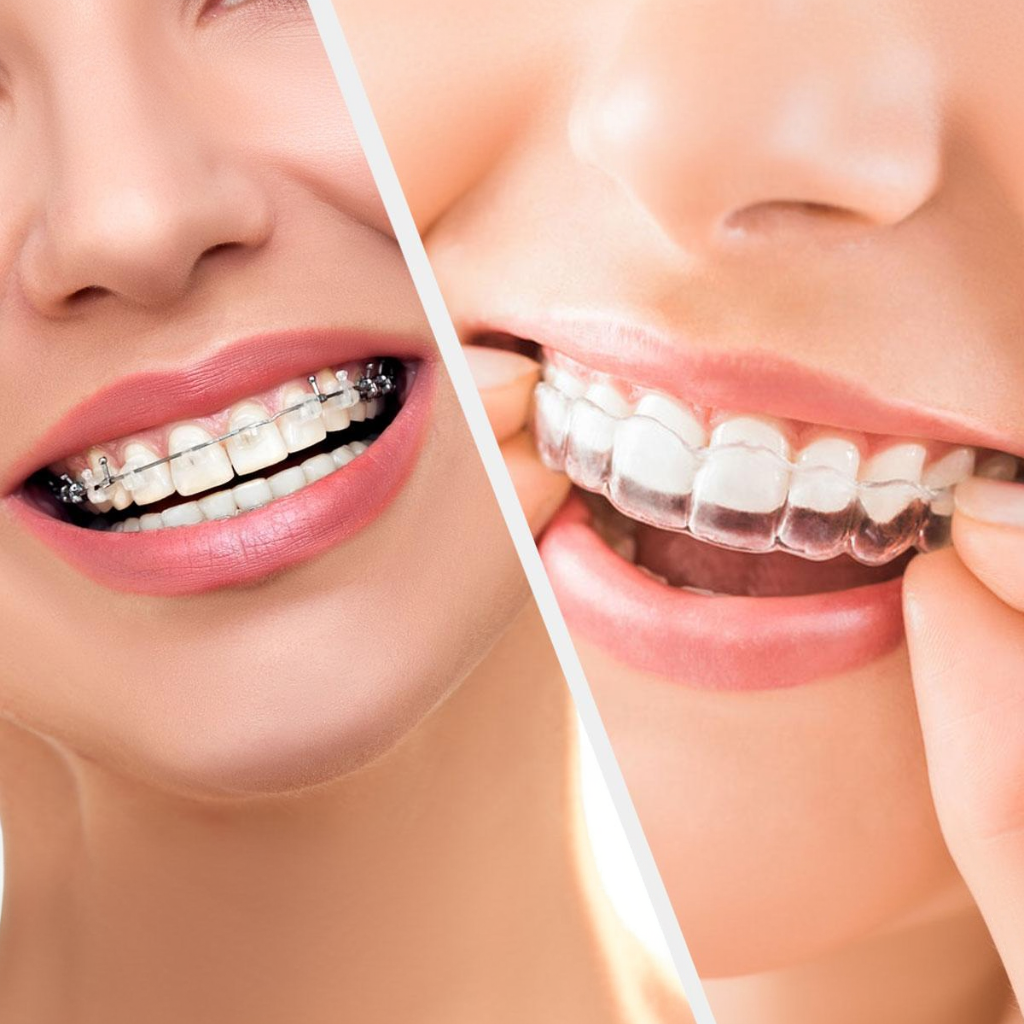
The Big Question: Braces or Invisalign
How Braces Work
How Invisalign Works
Braces vs Invisalign: The Real Differences
Which Option Is More Discreet
Which Option Is More Comfortable
Which Option Works Faster
Which Option Works Best for Complex Smile Correction
Which Option Is Easier to Keep Clean
Food, Sports, and Real Life
Invisalign Cost vs Braces Cost: What Impacts Investment
Ceramic Braces: A Popular Middle-Ground Option
How We Help You Choose at Shimizu Orthodontics
Pro Tips for Success With Braces or Clear Trays
Top Tips: Our Best Guidance for Choosing
Patient Spotlight
Why Choose Shimizu Orthodontics
Conclusion
Frequently Asked Questions
Introduction
If you are trying to decide between braces and Invisalign®, you are not alone. This is one of the most common questions we hear, and it makes sense. You want a straighter smile, but you also want a plan that fits your lifestyle, your schedule, and your comfort level. You might be thinking about visibility, speech, food restrictions, or how treatment will feel day to day. You might also be wondering about Invisalign cost vs braces cost and whether one option is actually “better” for your case.
At Shimizu Orthodontics, we believe the best choice is the one that fits your smile goals and gives you a result that lasts. Our team is led by Dr. Ken Shimizu and Dr. Kevin Shimizu, and we are proud to serve Sunnyvale, California, with braces and Invisalign® options. We provide an experience for you and your family that gives you A Happy Smile and SO Much More, and we are honored to be a Diamond + Top 1% Invisalign Provider with a 5-star Google rating and 115+ reviews.
In this guide, we will break it all down in plain language. We will explain how braces and clear aligners work, how they compare, what types of smiles each option is best for, and how we help you choose the right approach with clarity and confidence.
The “best” option is not the trendiest one. The best option is the one that gets you a healthy bite, stable alignment, and a smile you feel proud of.
Meet the Doctors
At Shimizu Orthodontics, you are cared for by doctors who combine deep experience with a modern, patient-first approach. We believe orthodontic care should feel clear, supportive, and encouraging from day one.
Dr. Ken Shimizu is known for his steady, thoughtful approach to orthodontics and smile correction. He focuses on the foundation of your result: how your bite fits, how your teeth function, and how to create a plan that stays stable long after treatment ends. Patients appreciate how he explains recommendations clearly and makes the “why” behind treatment easy to understand.
Dr. Kevin Shimizu brings a modern, detail-driven approach to treatment planning, with a strong focus on comfort, efficiency, and results. He is especially skilled at helping patients compare braces, Invisalign, and other aligner benefits in a way that feels simple and realistic. Patients love how supported they feel at every step, from the first scan to the final retainer plan.
Together, our doctors share the same goal: helping you feel confident in your treatment choices and even more confident when you see your final smile.
The Big Question: Braces or Invisalign
Most people want a clear answer: “Which is better between braces and Invisalign?”
The real answer is this: it depends on your smile goals and what your bite needs.
Both braces and Invisalign can deliver excellent results. Both can correct crowding, spacing, and many bite issues. The difference comes down to:
- The type of tooth movement your case needs
- How complex your bite correction is
- Your lifestyle and consistency
- Your preference for visibility and convenience
- Your comfort and hygiene priorities
Think of braces and aligners like two different tools. The right tool depends on the job.
How Braces Work
Braces are a fixed orthodontic system. That means they are attached to your teeth and work around the clock.
Braces typically include:
- Brackets on the teeth
- A wire connecting the brackets
- Adjustments at visits that guide movement over time
- Elastics (rubber bands), in some cases, to improve bite alignment
Braces are powerful because they are always working. You do not have to remember to put anything back in. That makes braces a great option for patients who want:
- A fixed system that does the work 24/7
- Strong control for more complex tooth and bite movements
- Reliable progress without wear-time responsibility
How Invisalign Works
Invisalign is a clear aligner system that uses a series of custom clear trays to gradually move teeth.
With Invisalign and other clear trays:
- You wear each set of aligners for a prescribed period
- Teeth move step-by-step with each new set
- You remove trays to eat and brush
- Your success depends heavily on consistent wear time
Most patients do best wearing aligners about 22 hours per day. That wear time is where the magic happens.
Aligner benefits many patients love:
- Discreet look
- Fewer food restrictions (because trays come out)
- Easier brushing and flossing compared to braces
- A lifestyle-friendly approach for many teens and adults
Aligners work best when you are consistent. If you know consistency will be a challenge, braces can be the better fit.
Braces vs Invisalign®: The Real Differences
Let’s make this simple and practical. Here are the most important differences we help patients compare.
Which option is more discreet?
- Invisalign: Usually the most discreet option because trays are clear.
- Braces: More noticeable, though many patients choose ceramic braces for a lower-visibility look.
Which option is more comfortable?
Comfort is personal, but here is what many patients experience:
- Invisalign: Often feels smoother because there are no brackets or wires. Some pressure is normal when switching trays.
- Braces: Can cause cheek irritation early on or after adjustments. Wax and simple tips go a long way.
The truth: both can cause pressure because teeth are moving. Most patients adjust quickly with either option.
Which option works faster?
Treatment time depends on the case, not just the appliance.
In general:
- Mild cases: Invisalign or braces may be similar in length.
- More complex cases: Braces may be more efficient for certain movements and bite corrections.
Your timeline depends on:
- The complexity of your bite
- How much movement is needed
- Consistency with aligner wear time (if you choose Invisalign)
- Your biology and how your teeth respond
Which option works best for complex smile correction?
This is where braces often shine.
Braces can be especially helpful for:
- Complex bite corrections
- Significant rotations
- Certain vertical movements
- Cases where we want maximum control
Invisalign® can still handle many complex issues, especially with modern planning, attachments, and refined aligner strategies. The key is to evaluate whether your case is a good match for clear trays.
Which option is easier to keep clean?
- Invisalign: Trays come out, so brushing and flossing can feel more normal.
- Braces: Cleaning requires more technique and consistency because brackets can trap plaque and food.
With good habits, both options can be kept clean. We coach you on this either way.
Food, Sports, and Real Life
This is the part people care about most, because orthodontics is not just treatment. It is daily life.
Eating
- Braces: You avoid hard and sticky foods that can break brackets. You may need to cut crunchy foods into smaller pieces.
- Invisalign: You remove trays to eat. No braces-style food restrictions, but you must brush and put trays back in consistently.
Sports and instruments
- Braces: Mouthguards matter for contact sports. Instruments are very doable, but there may be an adjustment period.
- Invisalign: Trays can be removed for sports if needed, but most patients wear them unless told otherwise.
School, work, and busy schedules
- Braces: Great for busy people who do not want to manage trays.
- Invisalign: Great for busy people who want flexibility, but it requires consistency and an on-the-go routine.
Pro tip: If you choose clear aligners, your case becomes your best friend. Keep it with you. That is how you avoid “tray in a napkin” accidents.
Invisalign® Cost vs Braces Cost: What Impacts Investment
Patients often ask about Invisalign and braces cost. We understand that investment matters, and we always want to help you understand what drives it.
While we can’t give an exact number without evaluating your case, here are the biggest factors that influence cost:
- Complexity: More movement and more bite correction usually means more time and planning.
- Length of treatment: Longer cases often require more visits and adjustments.
- Type of appliance: Invisalign, ceramic braces, and traditional braces may have different lab and material costs.
- Technology and planning: Digital scans, detailed treatment planning, and refinements can impact aligner-based cases.
- Retention needs: Retainers and long-term stability planning are part of protecting the result.
The cheapest option is not always the best value. The best value is the option that gives you a stable result that lasts.
Ceramic Braces: A Popular Middle-Ground Option
Some patients feel torn between wanting braces-level control and a more discreet look. That is where ceramic braces come in.
Ceramic braces use tooth-colored or clear brackets that blend in better than metal brackets. Many people call them “clear braces” or “invisible braces,” though they are not completely invisible.
Ceramic braces can be a great fit if you want:
- A more discreet braces experience
- A fixed option that works all day without wear-time responsibility
- Strong control for tooth movement and bite correction
We help you decide whether ceramic braces make sense based on your goals and the type of movement your smile needs.
How We Help You Choose at Shimizu Orthodontics
We do not believe in one-size-fits-all orthodontics. We believe in a plan built around your goals and your real life.
Here is how we guide the decision:
Step 1: We evaluate your smile goals and your bite
We look at:
- Alignment and spacing
- Bite relationships (overbite, underbite, crossbite, open bite)
- Tooth movement needs
- Long-term stability factors
Step 2: We explain your options clearly
We break down:
- What braces would do for your case
- What Invisalign would do for your case
- Whether ceramic braces fit your goals
- What trade-offs matter for your lifestyle
Step 3: We recommend the plan that fits your smile correction needs
Sometimes the best option is obvious. Sometimes both options work, and the decision comes down to lifestyle and preference. Either way, we help you choose with clarity and confidence.
If you are researching before your visit, explore our braces and Invisalign information on shimizuortho.com, then come in and let’s map out the best plan for your smile.
Pro Tips for Success With Braces or Clear Trays
No matter which option you choose, a few habits make a huge difference.
Pro tip 1: Keep the goal bigger than the day
Some days are easy. Some days are not. Consistency wins over perfection.
Pro tip 2: If you choose aligners, protect wear time
Success with Invisalign comes down to:
- Wearing clear trays consistently
- Putting trays back in right after meals
- Keeping your case with you
- Brushing before re-inserting aligners whenever possible
Pro tip 3: If you choose braces, brush like it matters
Because it does. A great result includes:
- Straight teeth
- Healthy enamel
- Healthy gums
We teach you how to clean around brackets so your final smile looks as good as it feels.
Pro tip 4: Use small tools that make life easier
A few favorites:
- Travel toothbrush
- Water flosser
- Interdental brush
- Orthodontic wax (for braces comfort)
- Case and cleaning routine (for aligners)
Pro tip 5: Ask questions early
If something feels off, tell us. Small problems are easier to fix early.
Social challenge: Try our “7-Day Smile Goals” challenge. For one week, commit to your best routine.
- Braces: brush after meals and floss daily.
- Invisalign: wear trays consistently and keep your case with you.
Most patients feel more in control by day seven.
Top Tips: Our Best Guidance for Choosing
If you want a simple cheat sheet, here are some of our top tips to help you decide.
Top Tip 1: Choose Invisalign if you want discretion and you are consistent
If you value a low-visibility option and you can commit to wear time, Invisalign can be a great choice.
Top Tip 2: Choose braces if you want a fixed option that works 24/7
If you do not want to manage clear trays and want strong control, braces may be a better fit.
Top Tip 3: Choose ceramic braces if you want braces control with a more discreet look
Ceramic braces are often the best of both worlds for certain patients.
Top Tip 4: Let your bite decide, not social media
Some smiles are better served by one tool than another. Your bite and long-term stability matter most.
Top Tip 5: Protect the result with retention
The best treatment plan includes retainers and long-term guidance. Your retainer is how we protect your investment.
Patient Spotlight
We often meet patients who come in thinking they have to choose one option because of what they saw online. They assume Invisalign is always better because it is clear. Or they assume braces are always better because they are fixed.
Then we show them the truth: the best option depends on their smile.
One common experience we see is a teen who wants Invisalign for confidence at school, but their case needs braces-level control for a bite correction. Once they understand the “why,” they feel relief. They stop feeling stuck and start feeling empowered. Another common story is an adult who avoided braces for years, then realizes Invisalign fits their work life, and finally says yes.
That is what we want for every patient: clarity, confidence, and a plan that matches real life.
Why Choose Shimizu Orthodontics
At Shimizu Orthodontics, we believe you deserve a treatment plan that feels clear, supportive, and built for long-term success. Patients choose our practice because we offer:
- Care led by Dr. Ken Shimizu and Dr. Kevin Shimizu
- Braces and Invisalign options tailored to your smile goals
- Recognition as a Diamond + Top 1% Invisalign Provider
- A 5-star Google rating with 115+ reviews
- A patient experience built on clarity, kindness, and confidence
- Treatment focused on stable bite health, not just straight teeth
Conclusion
Choosing between braces and Invisalign does not have to feel overwhelming. Both are excellent tools that can deliver life-changing results when matched to the right smile. Braces offer 24/7 reliability and strong control. Invisalign offers discreet, clear trays and lifestyle flexibility, especially for patients who can stay consistent with wear time. Ceramic braces can be a great middle-ground for patients who want a more subtle braces look without sacrificing performance.
The best next step is simple: let’s evaluate your smile goals and build a plan that fits your life. If you are ready to move forward with smile correction and finally feel confident about your choice, our team is here to guide you with clarity from start to finish.
Shimizu Orthodontics
Website:
shimizuortho.com
Phone:
408-738-1314
Location: Sunnyvale, CA
Frequently Asked Questions
Which is better between braces and Invisalign®?
Neither is “better” for everyone. Invisalign is great for many cases, especially when wear time is consistent. Braces can be more efficient for certain complex movements and bite corrections. We help you choose based on your bite and goals.
How much does Invisalign cost compared to braces cost?
Invisalign cost and braces cost depend on case complexity, treatment length, and the appliance recommended. We will review the investment clearly after your evaluation and explain what is included.
Do braces hurt more than Invisalign?
Both can cause pressure because teeth are moving. Braces may cause early cheek irritation, while Invisalign may feel tight when switching trays. Most patients adjust quickly either way.
Can teens do Invisalign?
Yes, many teens do great with Invisalign when they are consistent and responsible with wear time. If consistency will be a challenge, braces may be a better fit.
Are ceramic braces the same as Invisalign?
No. Ceramic braces are fixed braces with tooth-colored brackets. Invisalign is a removable, clear tray system. Both can be more discreet than metal braces, but they work differently.
Can Invisalign fix bite issues like overbite or crossbite?
In many cases, yes. Invisalign can correct many bite issues, depending on the case's complexity. We evaluate your bite and recommend the best option for stable long-term results.
Ready for the Smile You've Always Wanted?