Can Orthodontic Treatment Improve Jaw Pain or TMJ Symptoms?
- Orthodontic treatment can meaningfully help certain TMJ symptoms, but cannot fix all of them. The answer depends on which specific symptoms you have and what's driving them.
- Jaw clicking alone, without pain or limited movement, is extremely common and often does not require treatment.
- TMJ symptoms are significantly more common in patients with malocclusion, appearing in roughly 43 percent of malocclusion patients according to a 2025 peer-reviewed meta-analysis.
- Jaw locking, persistent severe pain, or sudden-onset symptoms warrant prompt evaluation by an orthodontist or oral medicine specialist, often in a coordinated team.
- Honest conversation matters more than any single treatment recommendation. If orthodontic treatment will not help your specific symptoms, our team will tell you so directly.
Table of Contents
- Introduction
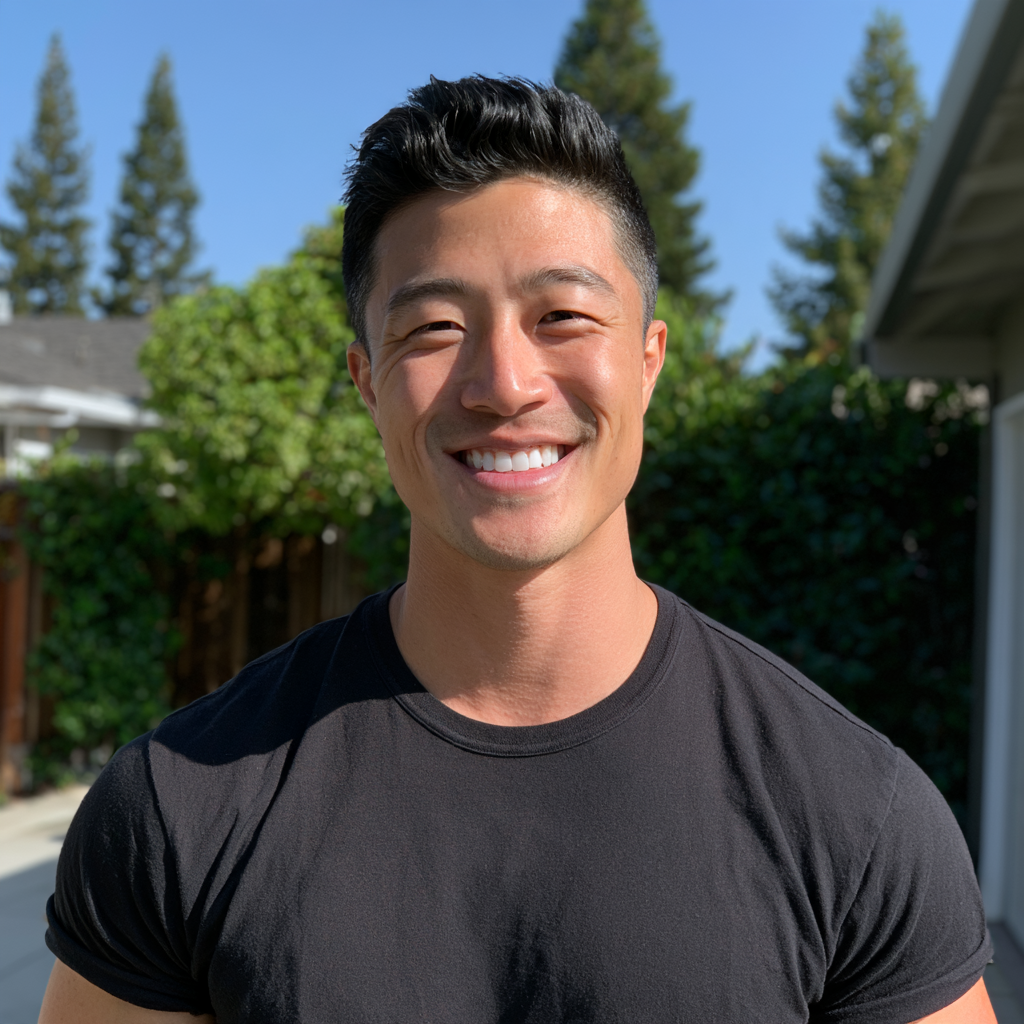
- Meet Dr. Ken and Dr. Kevin Shimizu
- The Honest Answer: It Depends on Your Symptoms
- Symptom 1: Jaw Clicking and Popping
- Symptom 2: Headaches and Jaw Tension
- Symptom 3: Ear Pain and Pressure Without Infection
- Symptom 4: Jaw Locking or Limited Opening
- Symptom 5: Facial Pain and Chewing Difficulty
- When to See an Orthodontist Versus Another Specialist
- Why Silicon Valley Families Trust Shimizu Orthodontics
- Conclusion
- Frequently Asked Questions
Introduction
It probably started with the click. You first noticed it on a particularly satisfying bite of something you were excited to eat. A small pop in your jaw as you chewed. You ignored it. The next day, you noticed it again. Then it started to come with a dull ache in your face when you woke up, or a tension headache that wrapped around your temples by mid-afternoon. Or maybe it began somewhere else entirely. Earache without an infection. Pressure that felt like sinus trouble but didn't quite fit. A jaw that occasionally locked just enough to scare you.
If any of that sounds familiar, you're in very common company. Temporomandibular joint disorders, often abbreviated as TMD or TMJ, encompass a wide range of jaw-related symptoms affecting a significant portion of the adult population. The natural question patients bring to us is whether orthodontic treatment can help. The honest answer depends on which specific symptom you're experiencing and what's driving it.
At Shimizu Orthodontics, Dr. Ken Shimizu and Dr. Kevin Shimizu have been helping Sunnyvale families work through these exact questions for decades. This guide walks through each major TMJ-related symptom one at a time, explains when orthodontic treatment can meaningfully help, and tells you honestly when it cannot.
Meet Dr. Ken and Dr. Kevin Shimizu
Dr. Ken Shimizu, DDS, MSD has practiced orthodontics from the same Sunnyvale location for 37 years. He graduated from the University of the Pacific School of Dentistry as class valedictorian in 1985, completed his Master of Science in Dentistry and Orthodontic Certificate in 1987, and joined the UOP orthodontic faculty immediately following graduation. He has served as a course director and Associate Professor for first-year orthodontic residents at UOP for more than 20 years, alongside his private practice in Sunnyvale.
Dr. Kevin Shimizu, DDS, MSD joined his father in the practice in 2019, continuing the family tradition into a second generation. After completing his orthodontic residency, Dr. Kevin was asked to remain as a Clinical Professor at UOP, where he continues to teach orthodontic residents alongside his clinical work in Sunnyvale.
Together, our father-and-son team brings more than 35 years of combined clinical and academic experience to every patient we serve. We are board-trained orthodontic specialists with expertise across the full range of treatment, from interceptive early treatment through complex adult cases involving jaw alignment, cleft palate, and orthognathic surgery.
The Honest Answer: It Depends on Your Symptoms
Orthodontic treatment can help certain TMJ-related symptoms quite significantly. It can also be the entirely wrong tool for other symptoms with a different underlying driver. The key to a useful answer is understanding which specific symptoms you have and which of those orthodontics can meaningfully address.
Here's the basic framework: orthodontic treatment improves how the upper and lower teeth come together and how the bite functions during chewing, speaking, and resting. When TMJ symptoms are being driven by a bite that doesn't work well (an imbalance, an interference, or significant misalignment), orthodontic treatment can address the root cause and provide meaningful relief. When TMJ symptoms are driven by something else entirely, such as joint disc displacement, chronic muscle tension from stress, or arthritic changes within the joint itself, orthodontic treatment may not help and could be the wrong approach altogether.
The prevalence of TMD symptoms in patients with malocclusion, according to a 2025 peer-reviewed systematic review and meta-analysis of 32 studies. The prevalence is notably higher than in the general population, suggesting an important link between bite alignment and jaw joint health.
Source: Zhao et al. (2025), meta-analysis on TMD prevalence in malocclusion patients
With that foundation, here's a closer look at the most common symptoms we see and how to think about each one.
Symptom 1: Jaw Clicking and Popping
This is by far the most common symptom that brings patients to our office asking about TMJ.
SYMPTOM 1 Jaw Clicking and Popping
What it feels like: A clicking, popping, or snapping sound when you open or close your mouth, sometimes accompanied by a sensation that the jaw is briefly catching. Usually painless. Often more noticeable when biting into something firm or when you've been clenching during the day.
Can orthodontic treatment help? Sometimes, but often not. Many cases of isolated clicking (with no pain, no limited opening, and no other symptoms) come from a disc inside the joint that briefly slips during movement. This is extremely common in the adult population, and orthodontic treatment is not typically the right intervention. However, when clicking is paired with significant malocclusion, bite-related discomfort, or pain, orthodontic treatment may be part of a coordinated approach.
What we recommend: If clicking is your only symptom and it doesn't bother you, monitoring may be the most appropriate step. If it's getting louder or more frequent, or is accompanied by pain or other symptoms, schedule a consultation. We'll evaluate whether your bite is contributing and recommend the right path forward.
Honest Truth: Approximately half of the adult population experiences jaw clicking at some point in their lives. Most of those cases never become problematic and do not require treatment. A click alone is rarely a reason to start orthodontic care.
Symptom 2: Headaches and Jaw Tension
Headaches and tension that originate around the temples, jaw, and behind the eyes are one of the most common downstream symptoms of jaw-related issues. They can also have many other causes, which is why a careful evaluation matters.
SYMPTOM 2 Headaches and Jaw Tension
What it feels like: Tension headaches that wrap around the temples or build by mid-afternoon. Soreness in the muscles along the side of the face. Tightness when you wake up that suggests overnight clenching. Pain that worsens after long periods of focused work or stress.
Can orthodontic treatment help? Sometimes yes, sometimes no. When tension headaches are driven by a bite that forces overactivity of the chewing muscles (often because teeth don't come together evenly or because the patient is unconsciously bracing the jaw), orthodontic correction can reduce the muscle workload and provide meaningful relief. When the headaches are driven primarily by stress, posture, or other medical factors, orthodontic treatment is not the right tool.
What we recommend: Track when your headaches occur and what they correlate with. If they tend to follow meals, intense chewing, or periods of tooth clenching, mention this at your consultation. We may coordinate with your primary care doctor, dentist, or a TMJ specialist to develop a treatment plan that addresses the full picture.
Symptom 3: Ear Pain and Pressure Without Infection
Ear pain or pressure without any sign of ear infection is one of the most commonly misdiagnosed TMJ-related symptoms. Patients often visit their primary care doctor or ENT first, only to be told the ears look normal. The pain is real, but the source is often nearby rather than in the ear itself.
SYMPTOM 3 Ear Pain and Pressure Without Infection
What it feels like: A dull ache or pressure inside or behind the ear, sometimes with a feeling of fullness or muffled hearing. No discharge, no fever, and an ENT exam typically shows no infection. The pain may worsen with chewing or after long periods of talking.
Can orthodontic treatment help? Possibly. The temporomandibular joint sits just in front of the ear canal, and inflammation or dysfunction in the joint can refer pain into the ear with surprising consistency. When ear pain is being driven by underlying TMJ dysfunction tied to a bite imbalance, orthodontic correction can be part of the solution. When it's purely a soft-tissue or muscle issue, other approaches may be more appropriate.
What we recommend: If your doctor has told you that your ears look healthy, but you still have persistent pain, a consultation with our team can help determine whether your jaw joint is the source of the pain. We coordinate with physicians and oral medicine specialists when a multidisciplinary approach is needed.
Not Sure Where Your Symptoms Fit?
A consultation with our team will help you understand exactly what's driving your symptoms and whether orthodontic treatment is part of the right answer. Honest evaluation, no pressure. Call 408-738-1314 to schedule today.
→ REQUEST AN APPOINTMENTSymptom 4: Jaw Locking or Limited Opening
Of all the symptoms in this guide, this one warrants the most prompt evaluation. Jaw locking, whether it's an inability to fully open your mouth or a transient catch that releases on its own, is a more serious sign that something inside the joint may be displaced or restricted.
SYMPTOM 4 Jaw Locking or Limited Opening
What it feels like: Episodes of the jaw catching or locking, either in the open or closed position. Difficulty opening the mouth wide enough to eat normally or yawn comfortably. The lock may release on its own with a click, or it may require gentle manipulation to free. Often accompanied by pain.
Can orthodontic treatment help? Sometimes, when bite-related factors are contributing to the locking pattern. More often, jaw locking is a sign of an internal joint problem, like disc displacement without reduction, that requires care from a TMJ specialist or oral medicine doctor first. Orthodontic treatment may be part of long-term management, but immediate care typically focuses on the joint itself rather than the bite.
What we recommend: Schedule an evaluation promptly. Persistent locking, especially if it's worsening, warrants evaluation by a specialist who can identify what's happening inside the joint. We will partner with you, your dentist, and any involved specialists to coordinate the appropriate care pathway. Do not delay this one.
Symptom 5: Facial Pain and Chewing Difficulty
This is a broad category that covers patients who have ongoing facial muscle pain, soreness when eating certain foods, or general discomfort that isn't always easy to pinpoint. The drivers vary widely, making careful evaluation important.
SYMPTOM 5 Facial Pain and Chewing Difficulty
What it feels like: Aching or soreness across the cheeks, jaw, or sides of the face. Discomfort when chewing harder foods. A feeling that the teeth don't come together comfortably. Sometimes accompanied by uneven tooth wear, sensitivity, or general fatigue in the chewing muscles.
Can orthodontic treatment help? Sometimes meaningfully so. When facial pain is being driven by significant malocclusion, an uneven bite, or specific tooth contacts that disrupt normal jaw function, orthodontic treatment can address the underlying cause. When it's driven by chronic muscle pain, fibromyalgia, or other systemic conditions, additional medical care will likely be needed alongside any orthodontic input.
What we recommend: Bring a detailed description of when the pain occurs, what triggers it, and what helps ease it. The more specific information we have, the more useful our evaluation will be. We may recommend coordination with your dentist, your physician, or a TMJ specialist, depending on what we find.
Pro Tip: Keeping a brief symptom journal for one or two weeks before your consultation can be remarkably useful. Note when symptoms occur, what activities preceded them, and what tends to make them better or worse. This information frequently changes the diagnostic picture.
When to See an Orthodontist Versus Another Specialist
Here's our honest take on when an orthodontic consultation is the right first step, and when another specialist may be more appropriate.
See an orthodontist first when:
you have noticeable malocclusion (crowded teeth, an off bite, or visible asymmetry) along with your TMJ symptoms, or when your dentist has recommended an orthodontic evaluation as part of your overall care plan
See a TMJ specialist or oral medicine doctor first when:
you have sudden onset, severe jaw locking or unrelenting joint pain that requires immediate attention before any longer-term planning can begin
See your dentist first when:
your symptoms could be related to a specific tooth (cavity, cracked tooth, abscess, or recent dental work) that needs to be ruled out before broader evaluation
See your physician first when:
you have symptoms that could be related to a medical condition beyond the jaw, like sinus issues, neurological pain, or systemic concerns
See a physical therapist familiar with TMJ when:
muscle tension and posture appear to be the primary drivers, and you want a conservative, non-invasive starting point
Many patients see multiple specialists over time, and that's both normal and often necessary. TMJ symptoms have multiple contributing factors and frequently benefit from a coordinated, multidisciplinary approach. We work closely with dentists, physicians, oral medicine specialists, and physical therapists in Silicon Valley to ensure our patients receive a comprehensive range of care.
Why Silicon Valley Families Trust Shimizu Orthodontics
For decades, Shimizu Orthodontics has been a trusted home for orthodontic care across Sunnyvale, Santa Clara, Mountain View, Los Altos, Cupertino, Saratoga, and the broader Silicon Valley community. Here's what sets our practice apart.
A multi-generational father-and-son team: Dr. Ken Shimizu, practicing in Sunnyvale since 1987, and Dr. Kevin Shimizu, who joined the practice in 2019
Active academic involvement: Both doctors serve as Clinical Professors at the University of the Pacific orthodontic residency program, teaching the next generation of specialists
Comprehensive treatment expertise: from interceptive early treatment for children through complex adult care involving jaw alignment, cleft palate, and orthognathic surgery cases
Modern technology: iTero digital scanners, advanced imaging, and cutting-edge treatment planning tools
Coordinated multidisciplinary care: close working relationships with dentists, physicians, and TMJ specialists across the Silicon Valley area
At Shimizu Orthodontics, we believe in honest evaluation, individualized treatment plans, and the kind of careful, attentive care that comes from a family practice built on decades of reputation.
Conclusion
Can orthodontic treatment improve jaw pain or TMJ symptoms? Sometimes, meaningfully so, particularly when bite-related factors are driving the symptoms. Other times, the right answer involves other specialists working alongside us, or in some cases, in place of us. The honest, symptom-specific answer is always the starting point for the right treatment plan.
Our team at Shimizu Orthodontics is here whenever you're ready for that conversation. We promise a thoughtful, honest evaluation, and we will tell you directly if orthodontic treatment is not what your specific symptoms need. Reach out anytime, and let's figure out the right path together.
Schedule Your Consultation Today
877 W Fremont Avenue, Suite G-1
Sunnyvale, CA 94087
Phone: (408) 738-1314
Email: info@shimizuortho.com
Website: shimizuortho.com
Office Hours: Monday–Thursday 7:30am–5:00pm
Frequently Asked Questions
Is jaw clicking always a sign of a problem?
No. Approximately half of the adult population experiences some form of jaw clicking at various points in their lives. When clicking is the only symptom and isn't accompanied by pain, limited opening, or other issues, it usually requires no treatment. Monitoring is often the appropriate course.
Can braces or Invisalign actually fix my TMJ?
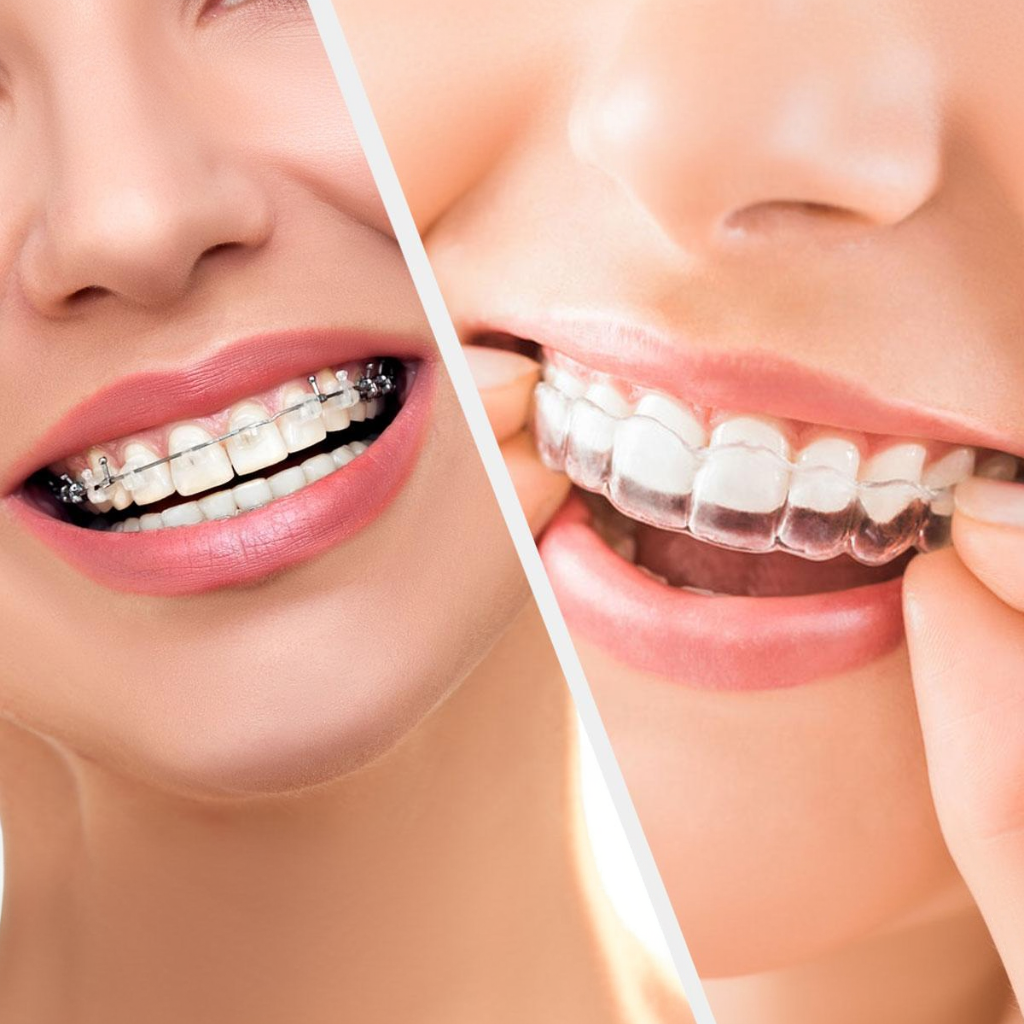
In some cases, yes. When TMJ symptoms are being driven by an underlying bite imbalance, orthodontic treatment can address the root cause and meaningfully reduce symptoms. In other cases, the symptoms have a different driver entirely (joint disc displacement, chronic muscle tension, or arthritic changes), and orthodontic treatment will not be the right primary intervention. The honest answer depends on what's actually causing your symptoms, which is what a thorough evaluation determines.
Should I try a night guard before orthodontic treatment?
Often yes, if grinding or clenching is part of your symptom picture. Night guards are a relatively conservative, reversible first step that can reduce muscle workload and protect your teeth while a broader evaluation takes place. We often coordinate with your general dentist or a TMJ specialist on this. Orthodontic treatment, when appropriate, can follow as the longer-term plan.
Will my insurance cover treatment for TMJ symptoms?
Coverage varies widely. Some medical insurance plans cover TMJ-related treatment under medical (not dental) benefits, particularly when surgical or specialist care is involved. Orthodontic treatment for malocclusion is most commonly covered under dental orthodontic benefits when those benefits are in your plan. We're happy to help you understand your benefits during your consultation.
What if my symptoms are mild? Should I still come in?
It depends on the trajectory. If symptoms are stable and not affecting your quality of life, monitoring may be appropriate. If they are slowly getting worse, becoming more frequent, or starting to affect your sleep, eating, or daily comfort, an evaluation is worth scheduling sooner rather than later. Early evaluation often opens up more conservative treatment options.
Do you treat children with TMJ symptoms?
Yes, when appropriate. TMJ symptoms in children and adolescents are less common than in adults but can occur, particularly in cases of developing malocclusion or trauma. Our practice has a strong background in interceptive early treatment, and we can evaluate children to determine whether orthodontic or other care would be helpful.
Sources
- Zhao, M., et al. (2025). Temporomandibular disorder prevalence in malocclusion patients: a meta-analysis. Read full study
- Valesan, L. F., et al. (2021). Prevalence of temporomandibular joint disorders: a systematic review and meta-analysis. Clinical Oral Investigations , Springer Nature. Read full study
- Maixner, W., et al. (2023). Temporomandibular Disorders: Rapid Evidence Review. American Family Physician. View on AAFP
- Hossain, M. Z., et al. (2022). Current Trends in the Management of Temporomandibular Joint Dysfunction: A Review. Read full study
- American Association of Orthodontists. Patient Resources: Orthodontic Treatment and Jaw Health. View AAO resources
This blog is intended for general educational purposes only and is not a substitute for personalized medical, dental, or orthodontic advice. Please contact Shimizu Orthodontics or your healthcare provider with specific questions about your jaw pain, TMJ symptoms, or orthodontic care.
Ready for the Smile You've Always Wanted?