The Future Of Smiles: AI-Powered Orthodontics At Shimizu Orthodontics
Discover How Artificial Intelligence And Advanced Digital Tools At Shimizu Orthodontics Create More Precise Treatment Planning And Better Smile Outcomes
Table Of Contents
Introduction
Meet The Doctors
What AI-Powered Orthodontics Really Means
Why Digital Scans Matter More Than Traditional Impressions
How 3D Imaging Improves Treatment Planning
Where AI Helps In Modern Orthodontics
Why Human Expertise Still Matters
Digital Smile Design And More Personalized Planning
What This Means For Invisalign And Braces Patients
What A More Advanced Consultation Can Feel Like
Our Top Picks For Patients Interested In Digital Orthodontics
Why Families Choose Shimizu Orthodontics
Conclusion
Frequently Asked Questions
Introduction
Orthodontics is changing quickly, and one of the biggest reasons is the rise of digital tools and artificial intelligence. Today, some of the most exciting improvements in orthodontic care come from the way doctors gather information, analyze smiles, and plan treatment with greater precision than ever before. That does not mean a computer replaces an orthodontist. It means modern orthodontists now have access to smarter tools that can support diagnosis, improve efficiency, and help create more customized treatment plans. AI is increasingly being used in orthodontics for diagnosis, cephalometric evaluation, treatment planning support, facial analysis, and even progress monitoring, while still requiring human oversight.
At Shimizu Orthodontics, that future-focused approach is already part of the patient experience. In Sunnyvale, Dr. Ken Shimizu and Dr. Kevin Shimizu combine decades of orthodontic experience with digital tools like iTero digital impressions, 3D X-ray imaging for selected cases, and a fully computerized treatment workflow designed to make care more precise and more comfortable.
That combination matters because patients do not just want newer technology. They want better care. They want scans instead of messy impressions, clearer explanations, more personalized planning, and treatment that feels built around their actual smile.
In this blog, we are going to look at what AI-powered orthodontics really means, how digital scans compare with traditional impressions, where advanced imaging fits in, and why all of that can lead to a smoother, more informed smile journey.
Meet The Doctors
At the center of Shimizu Orthodontics are Dr. Ken Shimizu and Dr. Kevin Shimizu, two orthodontists whose background blends private-practice excellence with academic leadership. Dr. Ken completed his orthodontic specialty training at the University of the Pacific and has served on that faculty for decades, while Dr. Kevin also trained at the University of the Pacific and serves as a faculty member in its orthodontic residency program. Both of our doctors advise the Kaiser cleft lip and palate team and support local implant and interdisciplinary study groups.
That kind of background matters when discussing advanced orthodontics because technology works best in experienced hands. AI, 3D scanning, and digital treatment planning can be powerful, but they are not a substitute for judgment. They are tools that help skilled orthodontists make even better decisions. At Shimizu Orthodontics, that combination of experience, academic involvement, and advanced digital workflow is part of what makes treatment feel both modern and deeply personalized.
What AI-Powered Orthodontics Really Means
The phrase AI-powered orthodontics can sound futuristic, but in practical terms, it usually means digital systems helping orthodontists analyze information more efficiently and more consistently. Recent reviews describe AI applications in orthodontics that include automated landmark detection, evaluation of scans and photographs, decision support for treatment planning, facial analysis, and prediction models for treatment outcomes. At the same time, those same reviews are very clear that AI has not replaced the orthodontist and still needs careful clinical supervision.
That is an important distinction. When we talk about AI in orthodontics, we are not talking about handing your smile over to a machine. We are talking about using smarter digital systems to support more informed care. The orthodontist remains the decision-maker, while technology helps gather cleaner data, visualize the smile more thoroughly, and streamline planning. That is why the real future of orthodontics is not AI alone. It is AI plus expert orthodontic judgment.
For patients, that often shows up in more practical ways than they expect. It can mean a more detailed digital model of the teeth, faster aligner workflows, clearer treatment visualization, better communication, and, in some cases, more predictable monitoring of progress over time. The technology may be sophisticated, but the patient benefit is surprisingly simple: treatment can feel more precise, comfortable, and tailored to the individual.
Why Digital Scans Matter More Than Traditional Impressions
One of the clearest patient-facing improvements in modern orthodontics is the move from traditional impressions to digital scanning. At Shimizu Orthodontics, the practice’s iTero digital impression system is described as increasing patient comfort by using highly accurate digital impressions for Invisalign patients, with 3D images sent immediately so treatment can begin sooner. That is a meaningful difference for patients who have a sensitive gag reflex, dislike impression material, or simply want a faster, cleaner start to treatment.
Digital scans also matter because they create a data-rich starting point for treatment planning. Instead of working from a traditional mold alone, orthodontists can evaluate a highly detailed 3D model of the teeth and bite. In the context of modern digital orthodontics, reviews note that AI-supported systems often work from intraoral scans, clinical photos, and imaging data to improve diagnosis and planning support. That makes digital scanning more than just a comfort upgrade. It becomes part of a more advanced diagnostic workflow.
For patients comparing digital scans vs impressions, the difference is not only about convenience. It is also about precision, speed, and communication. A scan can often help the doctor explain what is happening more clearly because the smile can be visualized in a more interactive and detailed way. That can make the consultation feel less abstract and more collaborative from the start.
How 3D Imaging Improves Treatment Planning
Another major part of advanced digital orthodontics is 3D imaging. 3D digital X-rays are used for patients with unusual eruption patterns, skeletal asymmetries, or jaw joint problems so the doctors can gather the information needed to create an individualized treatment plan. That matters because not every smile can be fully understood from the same level of imaging. Some cases need more depth and more detail.
This is where digital orthodontics starts to feel especially powerful. Better imaging can reveal relationships between teeth, bone, and facial structures that may not be as clear in more limited views. In research, AI-assisted orthodontic analysis has been applied to cephalometric radiographs, CBCT-related tasks, facial analysis, and image-based decision support. That does not mean every patient needs every scan. It means more advanced tools are available when the case calls for them.
For patients, the biggest takeaway is that more individualized imaging can support more individualized care. If a case is straightforward, the workflow may stay simple. If a case is more complex, digital imaging helps the orthodontist build a fuller picture before making major treatment decisions. That kind of precision is one reason advanced practices can often explain their recommendations more clearly and plan with more confidence.
Where AI Helps In Modern Orthodontics
AI is already being studied and applied in several important parts of orthodontics. As noted in a 2024 critical review of AI in orthodontics, researchers have explored its use in automated landmark detection, treatment-decision support, facial analysis, evaluation of intraoral scans and photos, outcome prediction, and progress monitoring. Some of the strongest research areas include image analysis and decision-support systems that help the orthodontist process complex information more efficiently.
That matters because orthodontics generates a lot of data. There are photos, scans, radiographs, bite relationships, facial proportions, growth patterns, and treatment options to weigh. AI does not magically solve all of that, but it can help organize, interpret, and support certain parts of the process. In some cases, it may reduce variability in routine analytical tasks. In others, it may help simulate likely outcomes or support more detailed case planning.
Still, this is exactly where balance matters. That same review emphasizes that AI is promising, but not independent, and that treatment planning and evaluation remain the orthodontist's responsibility. Expert supervision remains essential, especially because treatment planning in orthodontics is deeply individualized and not every research model has broad clinical maturity or regulatory approval. So the best version of AI-powered orthodontics is not automated orthodontics. It is orthodontist-led care enhanced by better tools.
Why Human Expertise Still Matters
One of the easiest mistakes in conversations about AI is assuming better software automatically means better care. In reality, great outcomes still depend on the orthodontist. Treatment planning and evaluation remain the specialist’s responsibility, even as digitalization and automation expand.
That is especially important in a field where growth patterns, patient goals, tissue biology, and long-term stability all matter. This is one reason our practice stands out. Our doctors are not simply users of modern technology. They are educators, advisors, and experienced specialists who work in interdisciplinary and complex-care settings. That means the digital tools are being filtered through years of training, judgment, and real-world case experience.
Technology can sharpen the process, but it is the orthodontist who determines what is best for the individual patient. For patients, that should feel reassuring. The future of smiles is not less human. It is more informed. Digital tools can support precision, but great care still comes from a doctor who knows how to interpret the data, communicate clearly, and build a treatment plan that fits the person behind the scan.
Digital Smile Design And More Personalized Planning
Another exciting part of digital orthodontics is the way it supports more personalized smile planning. A 2024 scoping review of AI and face-driven orthodontics describes a growing ability to incorporate facial analysis, facial scanning, treatment planning, and simulation into modern orthodontic care. In other words, the future of smile design is not just about moving teeth into straighter rows. It is about planning a smile that fits the face, function, and long-term goals of the patient.
At Shimizu Orthodontics, our practice’s computerized workflow includes digital photographs, X-rays, and treatment notes that can be pulled up instantly chairside so the doctors can clearly explain the problems they see and the outcomes they recommend. That kind of workflow helps create a more interactive and more patient-friendly treatment conversation. Patients are not just told what needs to happen. They can better see and understand the reasoning behind the plan.
This is one of the biggest benefits of advanced orthodontics that patients may not think to ask about. Precision is wonderful and understanding is powerful. When patients can see more clearly what their orthodontist sees, it often becomes easier to trust the process, commit to treatment, and feel more engaged from beginning to end.
What This Means For Invisalign And Braces Patients
For Invisalign patients, the benefits of digital workflow are often especially obvious. ITero digital impressions allow the 3D image to be sent immediately so aligner treatment can begin sooner. That can make the process feel smoother and more efficient from the very beginning.
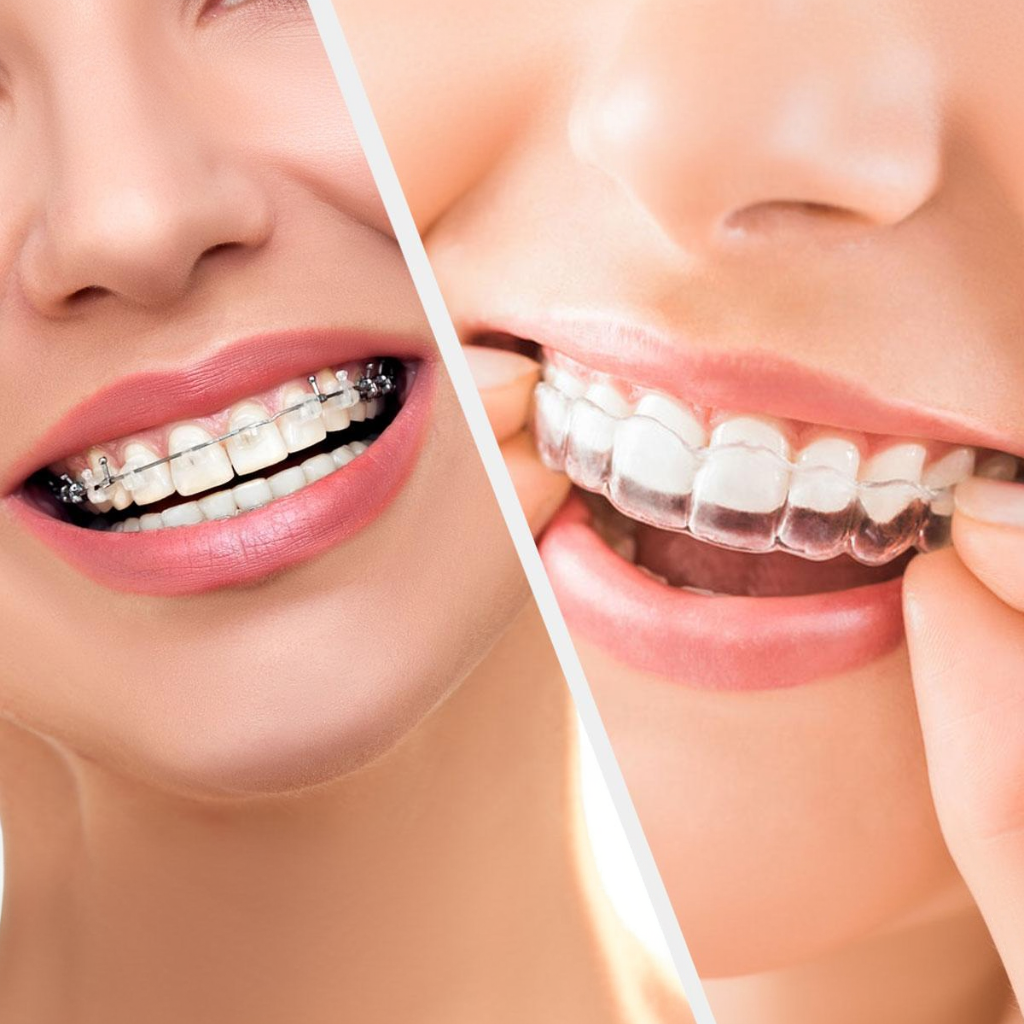
For braces patients, advanced technology still matters. Even when treatment does not start with aligners, digital photographs, imaging, computerized records, and in selected cases, 3D X-ray imaging all help support better diagnosis and treatment planning. That means advanced orthodontics is not just for one appliance type. It is part of a broader standard of care that supports more customized treatment across different kinds of cases.
The bigger point is that whether a patient is choosing braces or clear aligners, digital orthodontics can improve the experience. It can make consultations clearer, planning more detailed, and communication more precise. Patients may not see the full technological workflow behind the scenes, but they often feel the results in how efficient,informed, and personalized the process becomes.
What A More Advanced Consultation Can Feel Like
A modern consultation should feel more like a guided conversation than a guess. When a practice uses digital scans, advanced imaging when needed, and a strong computerized workflow, patients often get a clearer picture of what is happening and why a certain treatment plan is being recommended. At Shimizu Orthodontics, digital photos and digital records are specifically described as tools that help explain the problems present and the outcomes being recommended.
That can make a big emotional difference. Starting orthodontic treatment feels easier when the process feels understandable. It also feels easier when the technology supports comfort. For many patients, one of the most noticeable upgrades in digital orthodontics is simply not having to start with messy traditional impressions. Instead, the consultation can feel cleaner, more visual, and more personalized.
In that sense, advanced orthodontics is not just about better data. It is also about a better experience. When technology helps the doctor communicate more clearly and helps the patient feel more comfortable, it improves both precision and trust.
Our Top Picks For Patients Interested In Digital Orthodontics
If you are curious about AI-powered orthodontics and advanced digital care, these are our top picks:
- Ask whether the practice uses digital scans instead of traditional impressions
- Ask how 3D imaging is used when a case is more complex
- Look for a doctor who combines technology with deep clinical experience
- Ask how treatment planning is personalized for your face and bite
- Remember that the best AI-powered care is still orthodontist-led care
- Focus on what the technology improves for you, not just what sounds impressive
The best digital orthodontic experience is not about flashy buzzwords. It is about comfort, clarity, customization, and better-informed care.
Why Families Choose Shimizu Orthodontics
Families choose Shimizu Orthodontics because they want more than routine treatment. They want specialized care, advanced tools, and doctors who know how to bring those pieces together well. In Sunnyvale, Dr. Ken and Dr. Kevin Shimizu combine long-standing academic involvement, complex-case experience, and advanced digital technology to help patients pursue smiles that are both beautiful and carefully planned.
That combination of expertise and technology is a big part of what makes the experience feel elevated. Patients are not just getting access to digital scans and imaging. They are getting those tools in a practice built around precision, personalization, and high-level orthodontic judgment. That is what advanced orthodontics should feel like.
Conclusion
The future of smiles is not about choosing between technology and expertise. It is about bringing them together. AI-powered orthodontics, digital scans, 3D imaging, and more personalized treatment planning are helping reshape the patient experience, but the most important part of the process is still the orthodontist leading the plan. At Shimizu Orthodontics, that future-focused model is already in place through digital impressions, advanced imaging, computerized planning, and the experience of Dr. Ken and Dr. Kevin Shimizu.
If you are looking for advanced orthodontics, clearer treatment planning, and a more comfortable digital experience in Sunnyvale, call 408-738-1314 or visit Shimizu Orthodontics to schedule your consultation.
Frequently Asked Questions
What does AI-powered orthodontics actually mean?
It usually refers to digital systems that help orthodontists analyze images, scans, facial features, and treatment-planning data more efficiently. Current research shows promise in diagnosis, decision support, and progress evaluation, but expert supervision remains essential.
Are digital scans better than traditional impressions?
For many patients, yes. Digital scans can be more comfortable, more precise, and faster to integrate into treatment planning.
Does AI replace the orthodontist?
No. Orthodontic treatment planning and evaluation remain the specialist’s responsibility, even as AI and automation continue to advance.
How does 3D scanning help with smile design?
Digital scans create a detailed 3D model of the teeth and bite, which can support more precise planning, clearer communication, and a more personalized smile design process.
Does Shimizu Orthodontics use advanced digital technology?
Yes. We use iTero digital impressions, 3D X-ray imaging for selected cases, soft-tissue laser technology, and a fully computerized workflow as part of our technology platform.
Ready for the Smile You've Always Wanted?